La Croix-Valmer: How the Var's Most Discretely Positioned Coastal Wine Village Became the French Riviera's Most Authentically Cultivated Luxury Address
March 31, 2026 · 12 min read
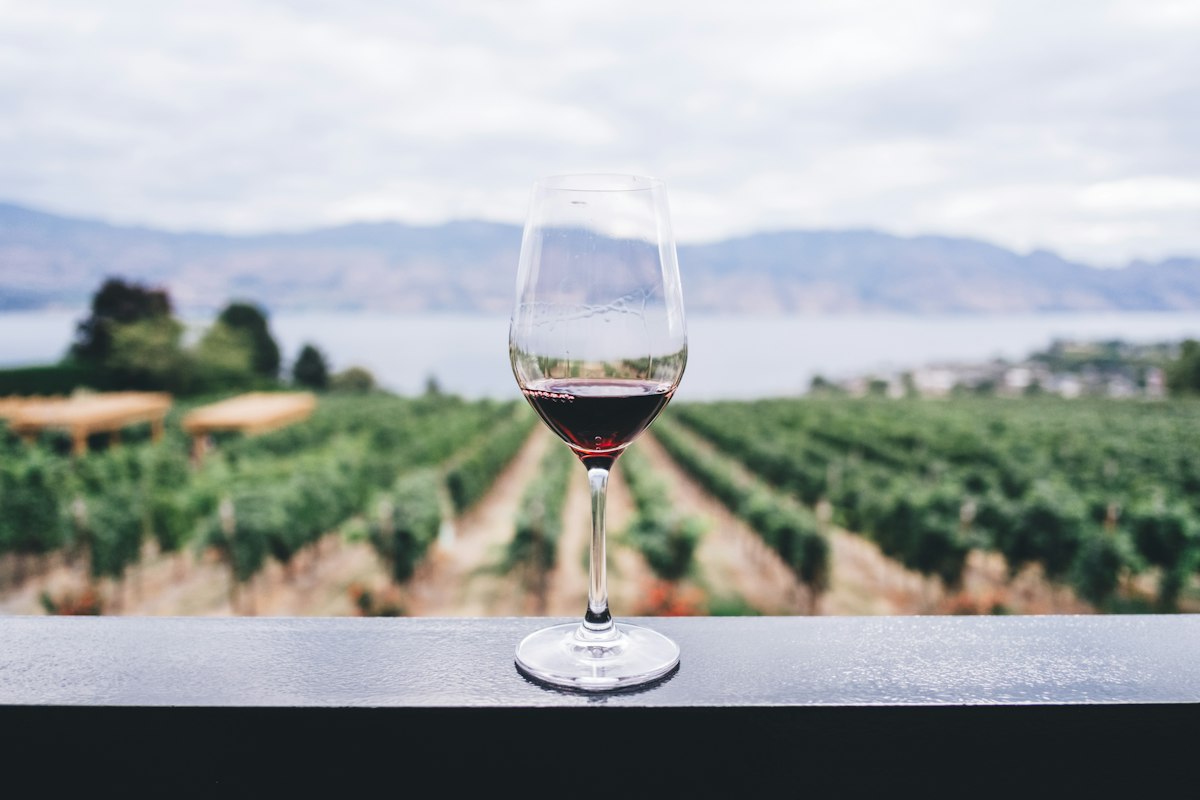
Between the paparazzi-magnetised port of Saint-Tropez and the calanque-sculpted wilderness of Cap Lardier lies a commune that most international visitors have never heard of — and that its residents would prefer to keep that way. La Croix-Valmer occupies a singular position on the Côte d'Azur: a village where working AOC Côtes de Provence vineyards descend directly to some of the Mediterranean's most pristine beaches, where the local economy remains anchored in agriculture rather than tourism, and where the phrase "luxury address" means something fundamentally different from the gold-plated exhibitionism that defines much of the Riviera.
The Constantine Legend and the Vine
The town's name encodes its origin myth. According to local tradition, the Roman Emperor Constantine saw a luminous cross in the sky above the bay in 312 AD — the same vision described before the Battle of the Milvian Bridge — leading him to embrace Christianity. Whether historical or apocryphal, the legend established the site as sacred ground, and the cross (croix) joined the valley (valmer, from val de mer) to produce the commune's distinctive name when it separated from Gassin in 1882. But La Croix-Valmer's true foundation is viticultural, not ecclesiastical. The schist and gneiss soils of the hillsides, combined with maritime exposure that moderates temperature extremes and provides constant air circulation, create conditions ideally suited to the Grenache, Mourvèdre, Cinsault, and Rolle varieties that define the AOC Côtes de Provence appellation.
Domaines of Distinction
The commune's viticultural identity is anchored by estates that have elevated Provençal rosé from a poolside commodity to a collector's medium. Domaine de la Croix, whose 107 hectares of vines cascade from the hillside to the edge of the Conservatoire du Littoral's protected coastline, produces wines that routinely command €30 to €80 per bottle — stratospheric pricing for Provence rosé that reflects both terroir precision and the estate's transformation under investment from the Bolloré family. The Clos Cibonne estate, technically in neighbouring Pradet but intimately linked to the same microclimate, has demonstrated through its iconic Tibouren-based cuvées that the Var's indigenous grape varieties can rival anything the Bandol appellation produces. Within La Croix-Valmer itself, smaller domaines — Château de Valmer, Domaine de la Madrague — maintain the artisanal scale that prevents the village from becoming another industrialised wine brand.
The Coastal Conservancy: Cap Lardier to Gigaro
What separates La Croix-Valmer from every other wine village on the Côte d'Azur is the fact that its vineyards terminate not at a road or a development boundary, but at one of the last undeveloped stretches of Mediterranean coastline in mainland France. The Conservatoire du Littoral acquired over 400 hectares of the Cap Lardier headland in the 1970s, permanently preventing the construction that consumed nearly every other coastal promontory between Marseille and Monaco. The resulting coastal path — the Sentier du Littoral from Gigaro beach to Cap Taillat — traverses terrain that looks essentially as it did five centuries ago: umbrella pines twisted by the mistral, maquis scrubland fragrant with rosemary and cistus, crystalline coves accessible only on foot. This is not manicured resort nature; it is genuinely wild Mediterranean landscape, and its adjacency to working vineyards creates an experience that exists nowhere else on the Riviera.
The Discretion Economy
La Croix-Valmer's real estate market operates on principles diametrically opposed to those governing Saint-Tropez, eight kilometres to the north. There are no gated mega-compounds, no helipads, no security perimeters visible from public roads. The luxury offering consists primarily of bastides — traditional Provençal country houses of 200 to 400 square metres — set within vineyard or olive-grove parcels of two to five hectares, typically priced between €3 million and €12 million. The buyer profile skews toward established European wealth — Swiss family offices, German industrialists, Parisian professionals — who have deliberately chosen agricultural discretion over maritime display. Several properties include operational vineyard parcels that produce wine commercially, meaning the owner is not merely residing on an estate but participating in an agricultural economy that predates the tourism industry by centuries.
Gigaro: The Anti-Beach Club
The plage de Gigaro functions as La Croix-Valmer's social centre — and the antithesis of the champagne-spraying beach clubs that define the Saint-Tropez experience. This kilometre-long crescent of golden sand faces due south toward the Îles d'Hyères, with the forested mass of Cap Lardier rising to the east. The beach restaurants — modest establishments serving grilled fish, salade niçoise, and chilled rosé from local domaines — operate without reservation systems, without dress codes, and without the amplified music that transforms Pampelonne into an outdoor nightclub. The clientele is a mixture of local families, vineyard owners, and the small international community that has discovered what is arguably the most beautiful accessible beach on the Var coast. The absence of celebrity culture is not a deficiency; it is the product.
The Gastronomic Terroir
The village's culinary infrastructure reflects its agricultural identity. The twice-weekly market — held in the modest Place des Palmiers — features vendors who are, in many cases, the actual producers: the goat-cheese maker from Collobrières, the olive-oil presser from Bormes, the honey harvester from the Massif des Maures. Restaurant La Palmeraie, set within a palm garden adjacent to the church, serves a menu built entirely around ingredients sourced within a thirty-kilometre radius — a farm-to-table practice that in La Croix-Valmer is not a marketing strategy but a logistical inevitability. The broader Golfe de Saint-Tropez restaurant scene — including the Michelin-starred establishments of Ramatuelle and Gassin — is accessible within fifteen minutes, but many residents find that the village's own offerings, paired with wines from the neighbouring domaines, satisfy completely.
The Luxury of Agricultural Time
What La Croix-Valmer ultimately offers is something that cannot be manufactured or purchased in the conventional sense: a relationship with seasonal time that has been abolished almost everywhere else on the Côte d'Azur. The viticultural calendar — pruning in February, flowering in June, véraison in August, harvest in September — imposes a rhythm on the commune that supersedes the tourist season. The village is not dormant in winter; it is actively engaged in the agricultural work that makes the following year's vintage possible. For the ultra-high-net-worth buyer who has experienced every variation of resort luxury the Mediterranean offers, this immersion in productive landscape represents something genuinely rare: a luxury address where the land is not merely scenery but an active economic participant, where the definition of wealth includes the capacity to wait — for the vine to mature, for the wine to develop, for the season to turn.
Investment Perspective
The commune's real estate trajectory is shaped by two structural constraints that virtually guarantee long-term value appreciation. First, the Conservatoire du Littoral's coastal acquisitions mean that approximately forty percent of the commune's land area can never be developed — a permanent supply restriction that becomes more valuable as development pressure on the Côte d'Azur intensifies. Second, the AOC designation of the vineyard parcels imposes agricultural-use restrictions that prevent their conversion to residential lots, maintaining the viticultural character that defines the commune's identity and, paradoxically, its luxury appeal. Properties that combine residential use with operational vineyard status occupy a niche that is, by regulatory definition, impossible to expand. For investors who understand that scarcity is the only durable basis for luxury value, La Croix-Valmer represents what may be the Riviera's most structurally protected proposition.