Èze: How the Riviera's Most Vertiginous Medieval Village Became the Côte d'Azur's Definitive Intersection of Heritage and Altitude Luxury
March 23, 2026 · 14 min read
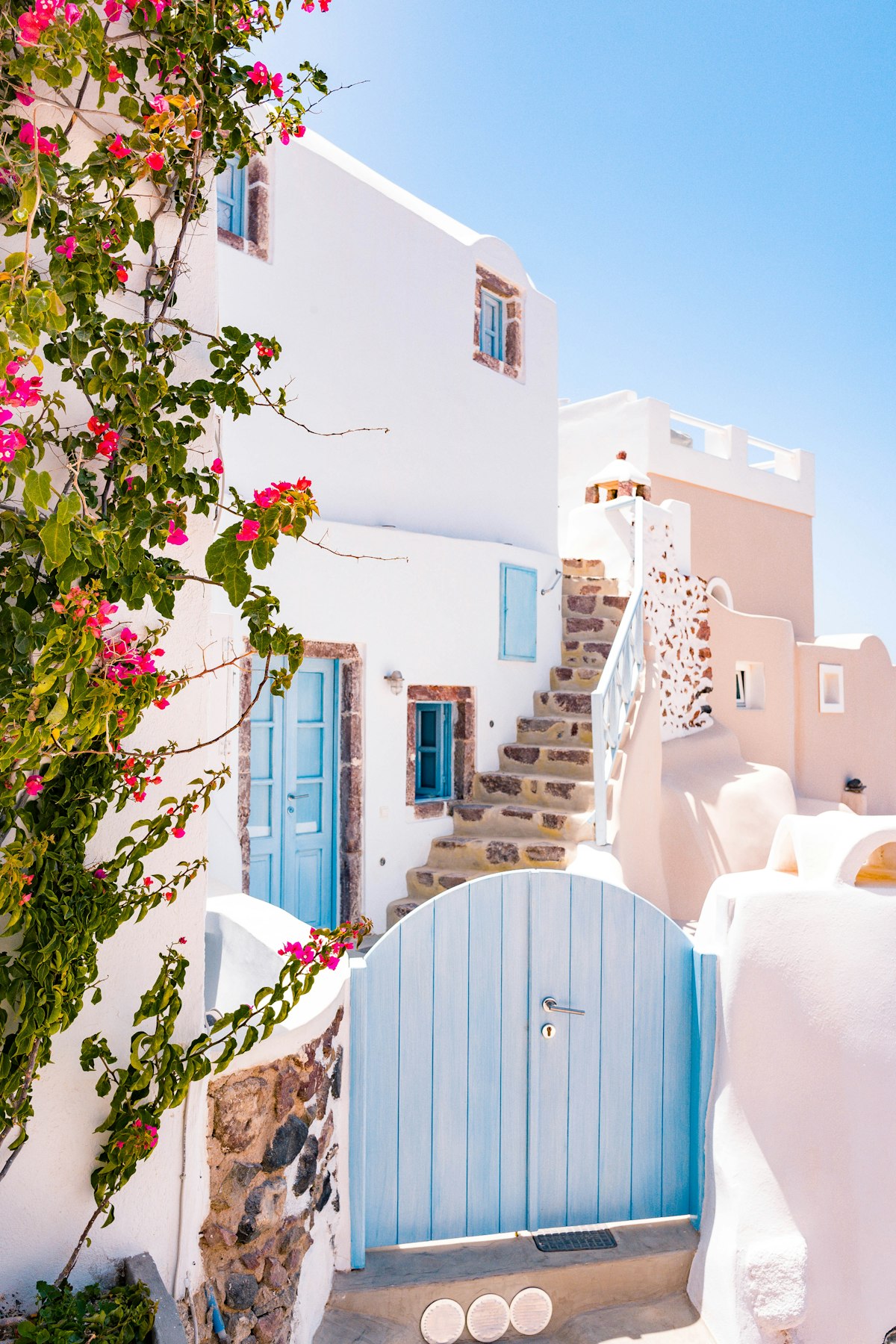
The Côte d'Azur is not short of dramatic positions. Cap Ferrat offers the Mediterranean from sea level, Monaco from its casino-topped promontory, and the Corniche roads provide the kinetic panorama that has launched a thousand automotive advertisements. But for sheer vertical drama — the sensation of standing at the apex of a medieval stone village and looking straight down four hundred metres to a coastline that curves from Nice to Italy — there is Èze, and there is nothing else.
The village occupies the summit of a rocky peak that rises with almost geological violence from the coastal slopes between Nice and Monaco. Its position is military in origin — a fortification site chosen by the Ligurians, developed by the Romans, contested by the Moors, and eventually walled by the Provençal lords who gave the village its present medieval fabric. But what was once strategic necessity has become aesthetic supremacy: Èze's elevation delivers what may be the most comprehensive panoramic view on the entire French Mediterranean coast, a 180-degree sweep from the Esterel massif to the Italian Alps, with the Cap Ferrat peninsula and the Port of Villefranche-sur-Mer arranged below like an architectural model.
The Three Villages
Understanding Èze requires understanding that it is not one place but three, stacked vertically like geological strata. Èze-sur-Mer, at sea level, is a small beach settlement on the Basse Corniche where the crystalline waters of the Riviera meet a narrow strip of sand and pebble. Èze-Bord-de-Mer extends slightly inland, offering the residential villas and gardens that characterise the Riviera's coastal belt. And Èze Village, at the summit, is the medieval core — a dense cluster of stone houses, vaulted passages, and vertiginous staircases connected by the Nietzsche Path, the steep trail that the philosopher reportedly walked while composing the third part of Thus Spoke Zarathustra.
This vertical organisation produces a luxury proposition unique on the Riviera. Residents of the upper village enjoy a microclimate that is distinctly different from the coast below — cooler in summer, more luminous in winter, with the particular quality of Mediterranean light that occurs when altitude and proximity to the sea combine. The air carries the scent of the Jardin Exotique's succulents and the wild herbs of the surrounding garrigue rather than the marine salt and sunscreen of the beach towns.
The Perfume Heritage
Èze's association with luxury is not merely positional; it is industrial, rooted in the village's historical connection to the perfume trade that defined the Riviera's economy before tourism replaced it. The Fragonard perfume factory, which occupies a substantial building on the road between the coast and the village summit, is both a working production facility and one of the region's most visited cultural sites, receiving over a million visitors annually who come to watch the distillation of the essences — jasmine, rose, neroli, lavender — that have been extracted from the Riviera's hillsides for centuries.
This perfume heritage gives Èze a sensory dimension that purely architectural or positional luxury addresses lack. The terraced gardens that cascade down the village's southern slopes are planted with the same aromatic species that supply the perfumeries — not as decoration but as production, creating a landscape that is simultaneously ornamental and functional, beautiful and productive. The scent of the village changes with the seasons: jasmine in summer, mimosa in winter, lavender in spring, and the complex, resinous aroma of the garrigue year-round.
Château de la Chèvre d'Or
No discussion of Èze's luxury credentials can avoid the Château de la Chèvre d'Or, the five-star hotel that occupies a collection of medieval houses threaded through the village's upper reaches. The Chèvre d'Or is not merely a hotel; it is the institution that demonstrated, beginning in the 1950s, that Èze's medieval fabric could support a level of hospitality sophisticated enough to compete with the Riviera's grand palace hotels while offering something none of them could match: the view.
The hotel's two-Michelin-star restaurant, perched on a terrace that cantilevers over the cliff edge, serves a cuisine that combines Provençal ingredients with contemporary technique in a setting so vertically dramatic that first-time diners often find the panorama more absorbing than the menu. The infinity pool, carved into the rock at a level that makes the Mediterranean appear to begin directly at its edge, has become one of the most photographed hospitality images on the Côte d'Azur — a visual shorthand for the kind of luxury that only extreme geography can produce.
The Property Market
Èze's residential market is defined by extreme scarcity and extreme variety. Within the medieval village itself, properties are rare and architecturally constrained — stone houses of two to four rooms, connected by internal staircases, with roof terraces that compensate for the absence of gardens. These houses, when they come to market, command premiums that reflect their irreplaceability: there are perhaps two hundred residential units within the walls, and the planning restrictions that protect the village's medieval character ensure that no new ones will be created.
Below the village, on the slopes that descend toward the coast, the market opens into villas with gardens, pools, and the combination of sea views and privacy that defines premium Riviera real estate. Properties in this zone occupy one of the Côte d'Azur's most advantageous micro-positions: close enough to Monaco for its amenities and tax advantages (the Principality's border is seven minutes by car), close enough to Nice for its airport and cultural infrastructure, but sufficiently elevated and secluded to avoid the density and traffic that characterise the coastal strip.
The Nietzsche Path and the Philosophy of Position
Nietzsche walked the path from Èze-sur-Mer to the village summit repeatedly during the winters of 1883-84, and the trail that bears his name remains the most physically and intellectually rewarding way to experience the village's vertical drama. The ascent takes approximately forty-five minutes through Mediterranean scrub, with the view expanding at each switchback until, at the summit, the entire Riviera unfolds with a comprehensiveness that justifies the philosopher's choice of walking route.
There is something philosophically apt about Èze's position. The village exists at the intersection of effort and reward — you cannot reach its best views without climbing, cannot access its restaurants without navigating medieval stairways, cannot appreciate its architecture without accepting its physical demands. In an era when luxury increasingly means the elimination of friction, Èze proposes the opposite: that the most extraordinary experiences require a degree of difficulty, that the view from four hundred metres is more valuable precisely because you cannot drive to it, and that a medieval village perched on a rock above the Mediterranean offers something that no amount of contemporary engineering can replicate.
Explore More from Riviera Latitudes
From the glamour of Cannes to the hilltop villages of Provence, discover the addresses that define Côte d'Azur luxury. Browse all destinations →