Bandol: How Provence's Premier Wine Coast Became the French Riviera's Most Enologically Sophisticated Luxury Address
March 27, 2026 · 14 min read
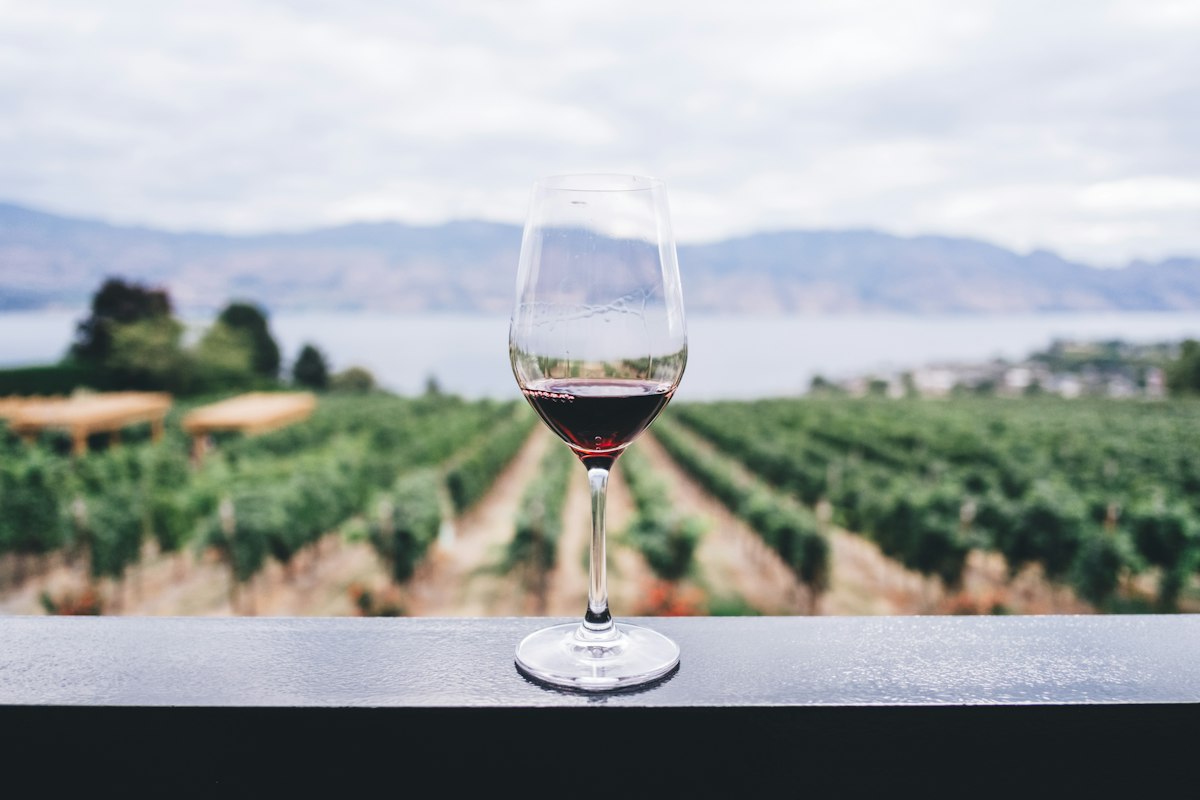
In the world of French wine, where reputation is measured in centuries and terroir classifications are defended with the intensity of religious doctrine, Bandol occupies a position of quiet but absolute authority. This small appellation on the Provençal coast — eight communes, approximately 1,600 hectares under vine, an annual production that barely exceeds six million bottles — produces wines that serious collectors place alongside the finest Burgundies and Rhônes: reds of such depth, structure, and longevity that bottles from the 1960s remain vibrant; rosés of an intensity and complexity that bear no resemblance to the pale, commercially driven pink wines that have made Provence famous; and whites of mineral precision that reflect the limestone soils and maritime climate with photographic fidelity. That these wines emerge from vineyards visible from the beach — you can swim in the morning and walk through the vines in the afternoon — makes Bandol one of the most unusual wine destinations in France: a place where viticultural seriousness and Mediterranean hedonism coexist without contradiction.
The Mourvèdre Monopoly
Bandol's identity is inseparable from a single grape variety: Mourvèdre. This late-ripening, thick-skinned, stubbornly difficult grape — demanding of heat, intolerant of humidity, susceptible to disease if not managed with precision — achieves at Bandol an expression that it achieves nowhere else on earth. The appellation rules require that Bandol rouge contain a minimum of 50% Mourvèdre (the finest domaines use 80% to 100%), and it is this grape that gives the wines their signature character: a deep, almost opaque colour; aromas of black fruit, leather, game, and the wild herbs (thyme, rosemary, bay) that grow between the vine rows; a tannic structure of extraordinary firmness in youth that, over ten to thirty years of ageing, softens into a texture of remarkable complexity; and a finish of such persistence that the flavour remains on the palate for minutes after the last sip.
Mourvèdre requires more sunshine than almost any other red grape variety — a minimum of 3,000 hours annually, a threshold that, in France, is met only on the Mediterranean coast. The amphitheatre of hills that surrounds Bandol's vineyards, rising to 400 metres and sheltering the vines from the mistral wind, creates a microclimate of exceptional warmth and dryness. The soils — a complex mosaic of limestone, clay, and sandstone, with outcrops of the distinctive Triassic red marls that give certain Bandol wines their characteristic mineral intensity — provide the drainage and mineral nutrition that Mourvèdre demands. The combination of grape, climate, and soil constitutes a terroir of such specificity that attempts to replicate Bandol's style in other warm-climate regions (Australia, California, South Africa) have produced wines of interest but never of equivalence.
The Domaines: An Aristocracy of the Vine
Bandol's domaines — approximately sixty in total, many family-owned for generations — constitute an aristocracy of the vine that is among the most concentrated and quality-conscious in France. Domaine Tempier, under the stewardship of the Peyraud family since the 1940s, is the appellation's most celebrated estate and the domaine most responsible for Bandol's modern reputation: it was Lucien Peyraud who, in the post-war years, championed the Mourvèdre grape when other producers were abandoning it in favour of easier-to-grow varieties, and it was the American importer Kermit Lynch who, by introducing Tempier's wines to the United States in the 1970s, created the international demand that transformed Bandol from a local curiosity into a global fine wine destination.
Château de Pibarnon, perched at 300 metres on the highest vineyard site in the appellation, produces Bandol of extraordinary elegance from soils dominated by Triassic limestone. Domaine de Terrebrune, whose cellars are carved into the cliff face below the medieval village of Ollioules, makes wines of classical intensity and remarkable consistency. Château Pradeaux, where the Portalis family has been making wine since the eighteenth century, produces Bandol in a deliberately traditional style — unfiltered, aged for extended periods in large oak foudres — that challenges modern expectations of immediacy and rewards those with the patience to wait a decade before opening a bottle.
Bandol Rosé: The Serious Pink
In a Provence that has become synonymous with pale, commercial rosé — the "summer water" that accounts for an increasingly large share of French wine exports — Bandol rosé stands apart. The appellation's insistence on Mourvèdre as the dominant grape produces a rosé of deeper colour (salmon to copper rather than the fashionable pale pink), more complex aromatics (red fruit, spice, and the distinctive herbal note that Bandol calls garrigue), and a structure that allows the wine not merely to accompany summer salads but to partner grilled meats, bouillabaisse, and the rich, olive-oil-based cuisine of the Provençal coast.
More significantly, Bandol rosé ages — a claim that would be absurd for most rosé wines but that is demonstrably true for the finest Bandol examples. A Tempier or Pibarnon rosé at three to five years develops flavours of honey, dried herbs, and hazelnut that transform it from a drink of casual refreshment into a wine of genuine gastronomic interest. This capacity for development makes Bandol rosé unique in the French wine landscape: a rosé for people who take wine seriously, produced by domaines that apply to their pink wines the same viticultural and winemaking rigour that they apply to their reds.
The Town: Riviera Authenticity
The town of Bandol itself — population approximately 9,000 — is a Provençal port of unpretentious charm that has so far resisted the transformation into boutique-and-gallery showcase that has overtaken many Riviera towns. The harbour, lined with plane trees and occupied by a mixture of fishing boats and pleasure craft, hosts a morning market that is among the best in the Var: the fishermen sell the night's catch directly from their boats, while the stalls behind offer the full repertoire of Provençal market produce — olives, tomatoes, tapenade, socca, the wild herbs that perfume both the cuisine and the vineyards.
The Allées Jean Moulin, a broad, tree-shaded esplanade connecting the harbour to the Place de la Liberté, serves as Bandol's social centre: the cafés that line it fill from mid-morning with a clientele that ranges from local vignerons discussing the vintage to Parisian families on summer holiday to wine professionals who have come to taste at the domaines and who, between appointments, sit with a glass of the previous year's rosé and watch the boats enter the harbour. The atmosphere is Mediterranean in its unselfconscious pleasure: people are here to enjoy the sun, the food, and the wine, and the town provides the stage for this enjoyment without the commercial pressure or the social performance anxiety that characterises more fashionable Riviera addresses.
The Calanques of Cassis: The Dramatic Neighbour
Twenty minutes east of Bandol, the coastline undergoes a geological transformation of startling drama: the Calanques de Cassis, a series of narrow, fjord-like inlets carved into white limestone cliffs that rise vertically from water of almost Caribbean clarity. The Calanques National Park, established in 2012, protects this landscape — the only national park in Europe to encompass both marine and terrestrial environments within the boundaries of a major city (Marseille) — and the hiking trails that connect the individual calanques (En-Vau, Port-Pin, Sugiton) rank among the most scenically spectacular coastal walks in the Mediterranean.
The proximity of the Calanques to Bandol's wine country creates a visitor proposition of rare completeness: morning in the vineyards, afternoon in the calanques, evening at a portside restaurant in Bandol or Cassis with a bottle of the wine you tasted that morning. This combination of viticultural depth and natural drama — the structured beauty of the vine rows and the wild beauty of the limestone coast — is, in miniature, the proposition of the entire Provençal Riviera, but at Bandol it is concentrated into a geographical area of such compactness that the experience feels curated even though it is entirely natural.
Getting There & Practical Intelligence
Marseille Provence airport (MRS) is the nearest major airport, approximately forty-five minutes by car. Toulon-Hyères airport (TLN) is thirty minutes. By TGV, Marseille Saint-Charles station connects to Paris in three hours; from Marseille, the coastal road to Bandol (D559) is one of the most beautiful short drives in Provence. Bandol also has a SNCF rail station on the coastal line between Marseille and Toulon, served by regional TER trains.
The optimal visiting period for wine is September to November (harvest and first tastings of the new vintage), though the domaines are open year-round and the wines are always available. For combining wine with beach and calanques, June and September offer the best balance of warm weather, swimmable seas, and manageable crowds. Most domaines welcome visitors without appointment for tasting and direct purchase, though advance booking is recommended for the most sought-after estates (Tempier, Pibarnon) and is essential during the summer months.
Published by Riviera Latitudes · Part of the Latitudes Media network