Antibes & Juan-les-Pins: How the Cap's Twin Identities Forged the French Riviera's Most Culturally Layered Luxury Address
March 29, 2026 · 14 min read
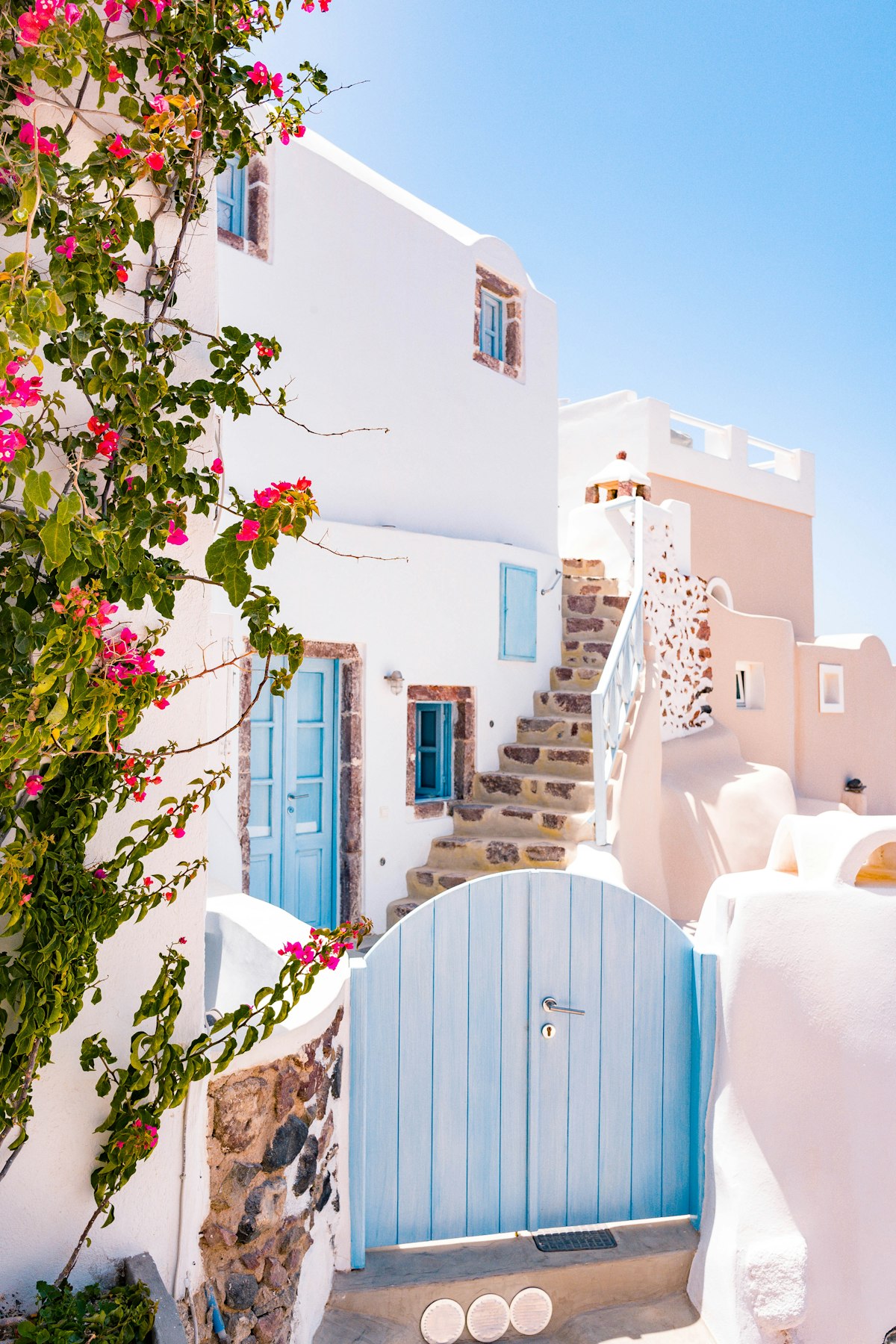
There is a peculiar geographical intimacy to Antibes and Juan-les-Pins that no map adequately conveys. The two are, administratively, a single commune — Antibes Juan-les-Pins, hyphenated like a marriage of convenience that became, over the better part of a century, something far more interesting than either party could have achieved alone. To the east, the old town of Antibes rises behind sixteenth-century ramparts that Vauban engineered for Louis XIV, its Provençal market hall fragrant with tapenades and socca, the Château Grimaldi — where Picasso spent his euphoric autumn of 1946 — keeping watch over the harbour. To the west, separated by the great green headland of Cap d'Antibes and its legendary villas, Juan-les-Pins unfolds along a crescent of pale sand where, in the 1920s, the American expatriate Frank Jay Gould effectively invented the concept of Mediterranean summer tourism.
The Art of the Dual Address: Ramparts and Pine Groves
The genius of Antibes Juan-les-Pins as a luxury proposition lies in the productive tension between its two identities. Antibes offers depth: twenty-four centuries of continuous habitation, beginning with the Greek trading post of Antipolis, layers of Roman, medieval, and royal French fortification, and a cultural density — the Musée Picasso, the Foundation Hans Hartung, the covered market of Cours Masséna that is among the finest daily markets in France — that rivals towns ten times its size. Juan-les-Pins offers lightness: the pine-shaded promenades, the jazz that pours from every terrace during the legendary festival each July, the particular quality of Mediterranean light filtered through maritime pines that gives the entire quarter an atmosphere of permanent, unhurried pleasure.
The Cap d'Antibes sits between them like a buffer of concentrated privilege. The Hôtel du Cap-Eden-Roc, which has been receiving the world's most discerning travellers since 1870, establishes the tonal register: this is luxury that does not announce itself, that operates through materials and service and the ineffable quality of being in exactly the right place at the right time. The villas along the Boulevard du Cap — many of them invisible behind walls of bougainvillea and century-old Aleppo pines — contain some of the most valuable residential real estate on the Mediterranean, valued not merely for their square footage or their sea views but for the particular social geography they occupy: close enough to Cannes for the festival, close enough to Nice for the airport, but insulated by the Cap's vegetation and topography from the commercial pressures that have transformed so much of the Côte d'Azur.
Picasso's Mediterranean: The Château and the Light
It was in the autumn of 1946 that Pablo Picasso, newly installed in the Château Grimaldi through the generosity of Romuald Dor de la Souchère, the curator who offered him the medieval fortress as a studio, produced in a few incandescent weeks a body of work — fauns, centaurs, nymphs, still lifes of sea urchins and Mediterranean fish — that captured the particular joy of post-war liberation on the French coast. The castle-turned-museum that now bears his name remains one of the most emotionally affecting art experiences on the Riviera, not because it contains Picasso's greatest work (it doesn't) but because the relationship between the art, the architecture, and the sea visible through every window creates a unity of experience that purpose-built galleries can never replicate.
This artistic legacy permeates the entire address. The Foundation Hans Hartung et Anna-Eva Bergman, opened in 2020 in the hilltop studio complex where the two artists lived and worked from 1973, extends Antibes's cultural lineage into abstraction. The rampart walk from the Bastion Saint-André to the Port Vauban — the largest pleasure port in Europe, its quays lined with superyachts whose crews constitute a small floating city — offers a condensed education in the layers of civilisation that make this coastline unlike any other.
Jazz à Juan: When Night Falls on the Pine Groves
Jazz à Juan, which celebrated its sixtieth edition in 2020, is the oldest jazz festival in Europe and arguably the most atmospherically perfect. The setting — the Pinède Gould, a natural amphitheatre of umbrella pines and Mediterranean vegetation overlooking the sea — achieves what no indoor venue can: the integration of music, nature, and the warm southern night into a single sensory experience. Miles Davis played here. Dizzy Gillespie, Ella Fitzgerald, Ray Charles — the roster of artists who have performed under the pines reads like an encyclopedia of twentieth-century music. To attend a concert at Jazz à Juan on a July evening, the pines fragrant with resin and the Mediterranean visible through the branches, is to understand why the Riviera has attracted not merely the wealthy but the creative for more than a century.
The festival anchors Juan-les-Pins's identity as the Riviera's most musically literate resort. Even outside the festival period, the quarter's restaurants and bars maintain a jazz sensibility — not as affectation but as organic cultural expression, the way Florence does Renaissance or Marrakech does zellige. This musical dimension, combined with the Art Deco architectural heritage of the 1920s resort (the Hôtel Belles-Rives, once the villa where F. Scott Fitzgerald wrote portions of Tender Is the Night, is the most storied example), gives Juan-les-Pins a texture that purely beach destinations cannot achieve.
The Real Estate: Between Heritage and Horizon
The luxury property market in Antibes Juan-les-Pins operates across several distinct micro-markets, each with its own logic. The old town of Antibes offers historic buildings with the thick stone walls, vaulted cellars, and rooftop terraces that are the currency of Provençal prestige. Cap d'Antibes commands the summit of the market: waterfront villas here, when they trade at all, do so in the range of twenty to sixty million euros, with the rarest direct-access properties — those with private jetties and the kind of unimpeded sea views that building regulations now make unreplicable — reaching higher still. Juan-les-Pins, traditionally positioned slightly below the Cap in terms of per-square-metre values, has seen a renaissance driven by new-build developments that combine contemporary architecture with the resort's pine-grove setting.
What unites these micro-markets is the quality that makes Antibes Juan-les-Pins unique on the Côte d'Azur: the sense of a place that is simultaneously international and authentically Provençal, culturally serious and physically relaxed, historically profound and pleasurably present-tense. The morning market in the Cours Masséna, where local producers sell the same varieties of tomatoes and courgettes and small purple artichokes that have been cultivated in the arrière-pays for centuries, exists in productive dialogue with the superyachts of Port Vauban and the fashion boutiques of the Rue de la République. This is not a contradiction but a synthesis — the particular achievement of a place that has been absorbing and integrating outside influences for two and a half millennia without losing its essential character.
The Latitude: Where Culture Meets Coast
To choose Antibes Juan-les-Pins is to choose complexity over simplicity, cultural depth over superficial glamour, the layered pleasures of a place that has been continuously inhabited since the fourth century BC over the manufactured perfection of newer resort destinations. It is to wake in a stone house within the ramparts and walk to a market that Cézanne might have painted, to lunch at a Cap restaurant where the Mediterranean arrives at the table as bouillabaisse and departs as a sunset, to spend the afternoon in Picasso's studio-museum and the evening under the pines of Jazz à Juan. It is, in short, to inhabit the French Riviera not as a backdrop for wealth but as a living, breathing, culturally resonant place — which is, when all the luxury is stripped away, what the best addresses have always offered.
Published by Latitudes Media · Explore more at Riviera Latitudes
Discover: Monaco · Dubai · Italy · Portugal · Saint-Barth · Spain · Maison