Antibes: How the Riviera's Walled Port City Became the Côte d'Azur's Most Artistically Layered Luxury Address
March 25, 2026 · 11 min read
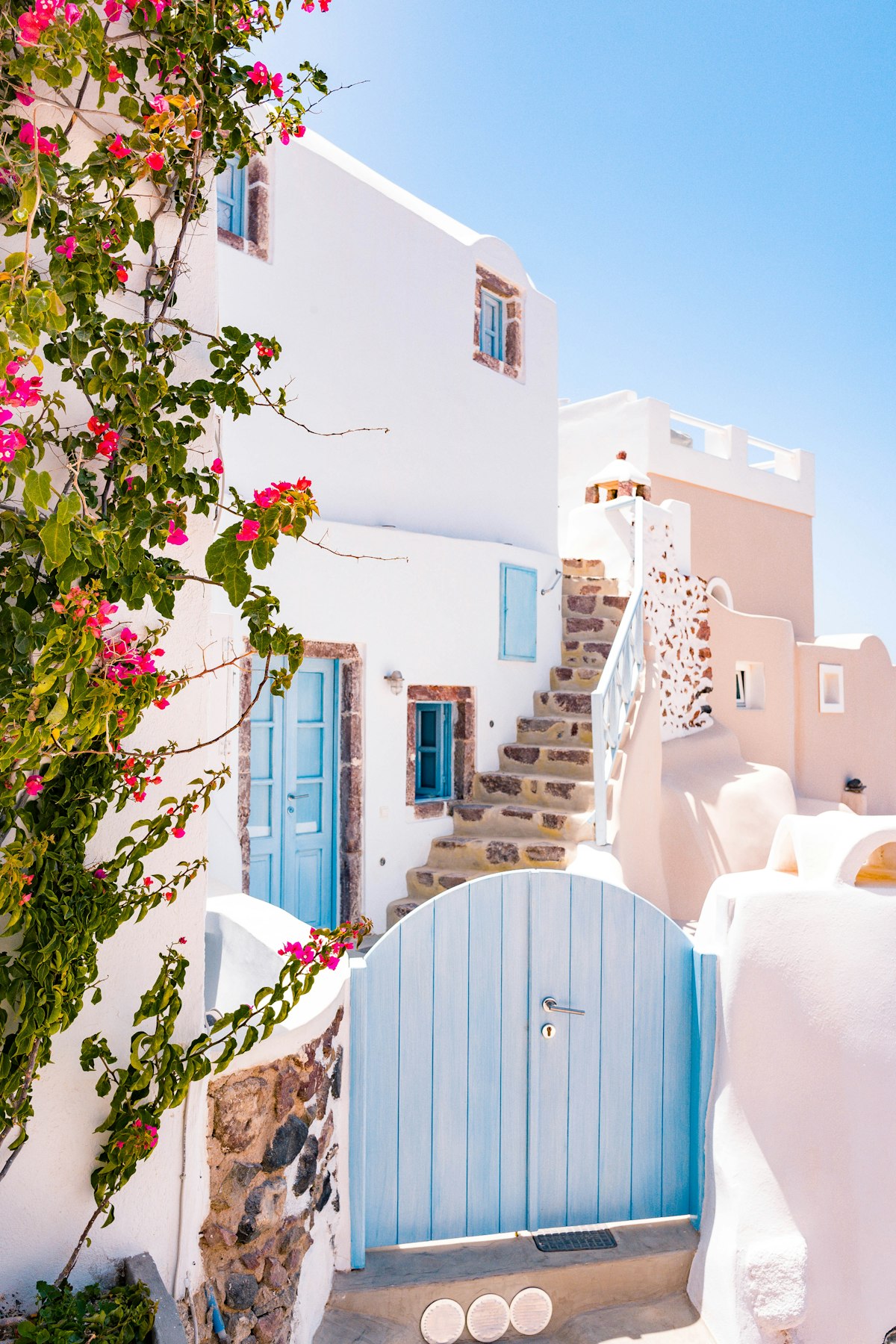
Antibes occupies a unique position on the Côte d'Azur — it is simultaneously one of the Riviera's oldest settlements and one of its most forward-looking luxury destinations. Founded as Antipolis by Greek traders from Marseille in the fourth century BC, the city's ramparts still define its old quarter, a labyrinth of narrow streets that opens unexpectedly onto the Mediterranean at every turn. Yet attached to this ancient core is Cap d'Antibes, the pine-forested peninsula that has served as the Riviera's most exclusive residential address since the Roaring Twenties, and Port Vauban, Europe's largest pleasure port with capacity for superyachts exceeding 100 metres.
Picasso's Château
In the autumn of 1946, Pablo Picasso was offered the use of Château Grimaldi — a medieval fortress perched on Antibes' seafront ramparts — as a studio. He occupied the space for six months, producing an extraordinary body of work that drew on Mediterranean mythology, the euphoria of liberation, and his new relationship with Françoise Gilot. When he departed, Picasso left twenty-three paintings and forty-four drawings with the château, which in 1966 became the Musée Picasso, the world's first museum dedicated to the artist.
The Picasso connection is not merely historical decoration — it established Antibes as a place where serious art and serious wealth coexist with an ease that eludes more self-conscious cultural capitals. The old town's galleries now represent artists whose work commands six and seven figures, yet they operate from medieval shopfronts alongside fishmongers and bakers. This integration — culture embedded in daily life rather than cordoned off in institutions — gives Antibes a cultural authenticity that money alone cannot produce.
Cap d'Antibes: The Billionaires' Peninsula
If the old town represents Antibes' cultural soul, Cap d'Antibes is its financial one. This pine-covered peninsula, jutting into the Mediterranean between Antibes and Juan-les-Pins, has been the Riviera's most prestigious residential address since Gerald and Sara Murphy established the summer season here in the 1920s — a social innovation that transformed the Côte d'Azur from a winter health resort into the world's first leisure destination.
Today, Cap d'Antibes properties trade at levels that rival Monaco's per-square-metre records. Waterfront villas with direct sea access and private jetties command prices between €30 million and €150 million, with transactions at the upper end conducted so discreetly that they rarely appear in public records. The Hôtel du Cap-Eden-Roc, the peninsula's legendary hotel, serves as the unofficial social headquarters of the global entertainment industry during the Cannes Film Festival, when its pool terrace — carved from the cliff face above the sea — becomes the most photographed stretch of real estate on earth.
What distinguishes Cap d'Antibes from other Riviera enclaves is its residential character. Unlike Cannes or Saint-Tropez, which are fundamentally public resort towns, the Cap is a private residential community that happens to contain one of the world's most famous hotels. Its roads are narrow, its signage minimal, its estates concealed behind high walls and mature gardens. The message is unmistakable: this is a place for living, not for being seen.
Port Vauban: The Superyacht Capital
Port Vauban's transformation from a military harbour — its fortifications were designed by Vauban himself under Louis XIV — into Europe's premier superyacht marina is one of the Riviera's most remarkable urban evolutions. The port can accommodate over 1,600 vessels, including yachts up to 163 metres on the Quai des Milliardaires, a stretch of berthing that lives up to its name with a rotating cast of vessels whose combined value routinely exceeds €2 billion during peak season.
The port's €200 million redevelopment, completed in phases through 2025, has added a new dimension to Antibes' luxury proposition. The redesigned Bastion Saint-Jaume area now houses yacht brokerage offices, charter management companies, and marine service firms that together form the most complete superyacht ecosystem in the western Mediterranean. For yacht owners, Port Vauban offers something that Monte Carlo and Saint-Tropez cannot: deep-water berths large enough for the new generation of 80-metre-plus explorer yachts, combined with the old-town charm and gastronomic diversity of a genuine Provençal city.
The Gastronomic Geography
Antibes' Marché Provençal — the covered market on Cours Masséna — is the finest food market on the Côte d'Azur, a claim that locals will defend with the fervour of a religious conviction. Operating every morning except Monday, the market brings together producers from the Alpes-Maritimes hinterland with fishermen from the port, creating a daily spectacle of Provençal abundance: socca still warm from wood-fired ovens, pissaladière glistening with caramelised onions, vegetables from the hill villages behind Grasse, and fish so fresh that the bouillabaisse at Restaurant de Bacon — the legendary waterfront establishment on the road to the Cap — is prepared from that morning's catch.
The restaurant scene that orbits this market reflects Antibes' dual character. In the old town, family-run establishments serve classic Niçois and Provençal cuisine at honest prices. On the Cap, Michelin-starred restaurants create menus that interpret Mediterranean tradition through the lens of contemporary gastronomy. Between these poles, a new generation of chef-owners — many trained in Paris or London — has opened neighbourhood restaurants that combine local ingredients with global technique, creating a gastronomic culture that is sophisticated without being pretentious.
The Investment Proposition
Antibes' property market offers something increasingly rare on the Côte d'Azur: genuine value relative to its amenities. While Cap d'Antibes commands ultra-prime prices, the old town and surrounding quartiers offer apartments and townhouses at significant discounts to equivalent properties in Cannes, Nice, or Saint-Jean-Cap-Ferrat. A renovated apartment in the ramparts — with views over Port Vauban to the Alps — can be acquired for €8,000–12,000 per square metre, a fraction of Monaco's €50,000+ benchmark.
This pricing differential, combined with Antibes' exceptional quality of life — its 300 days of sunshine, its world-class marina, its cultural institutions, its gastronomic depth, and its position at the geographic centre of the Riviera — creates an investment thesis that is compelling in its simplicity. Antibes is not the most famous address on the Côte d'Azur, nor the most expensive. It is, for those who know it, the most complete — a city that offers everything the Riviera promises, layered over 2,400 years of Mediterranean civilisation.
Explore the Latitudes network: Monaco · Dubai · Portugal · Italy · Spain · Saint-Barth · Maison
← Back to Riviera Latitudes